meet the beekeepers
The Nicolaou Family
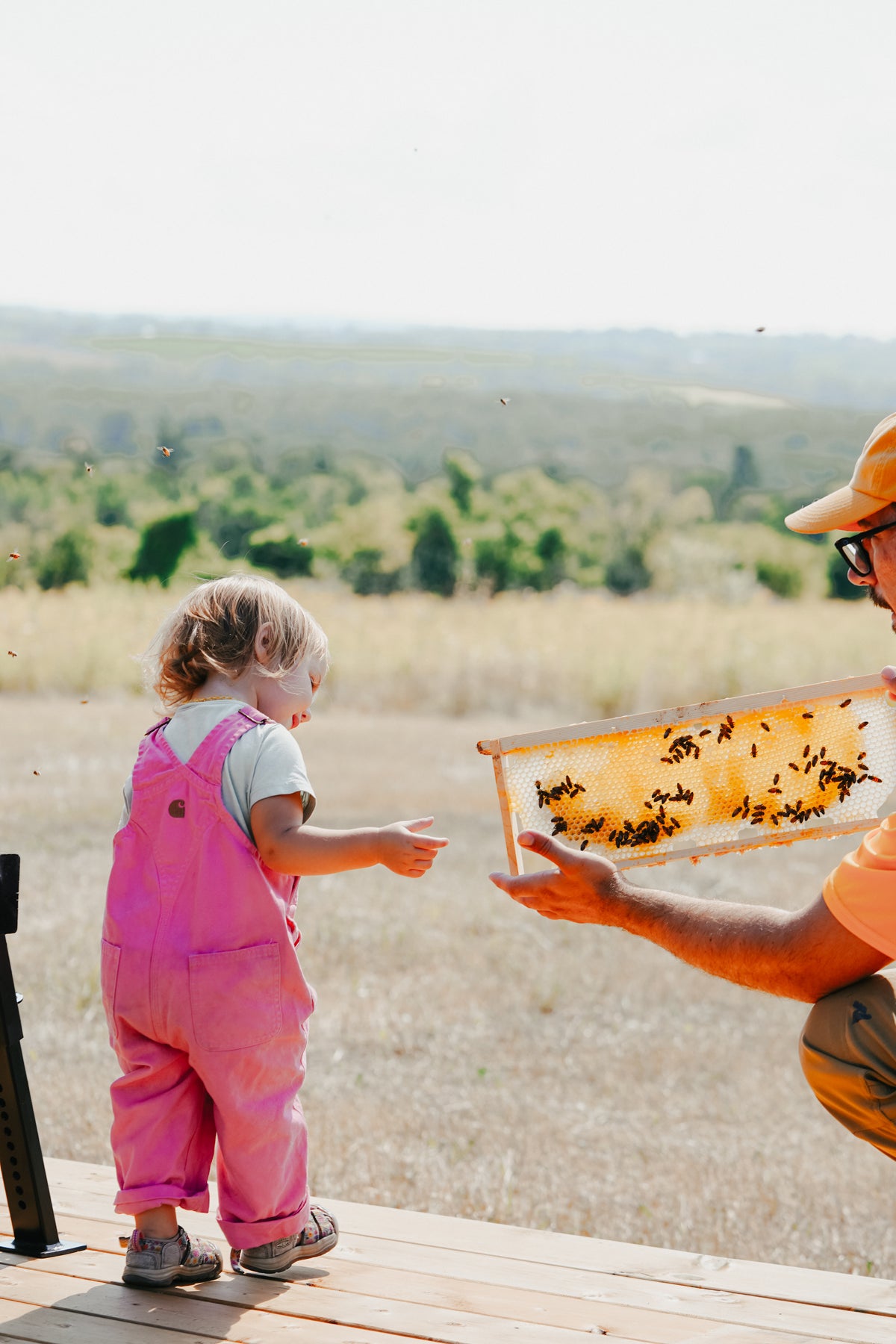
raising a fourth generation beekeeper and conservationist on our 100 acre farm on the Oak Ridge Moraine
a near-century old legacy
Our story begins nearly a century ago, in a remote village in Serbia. Davids Grandfather farmed hops for a local brewery, and began keeping honeybees in the 1940s, where he built a cart to chase the linden + locust blooms. After migrating around Europe post-war, the family eventually settled in Canada on Scugog island, where he took up beekeeping again in the 1960s. Daves mother took over the property and in 2010 when she retired, she found a swarm of honeybees in a tall basswood tree. Thinking perhaps her fathers bees, long gone, had returned- she caught the swarm, and continued his legacy. After graduating college, David began helping with the colonies, and worked for a commercial beekeeper briefly before the Millbrook farm was purchased in 2016.
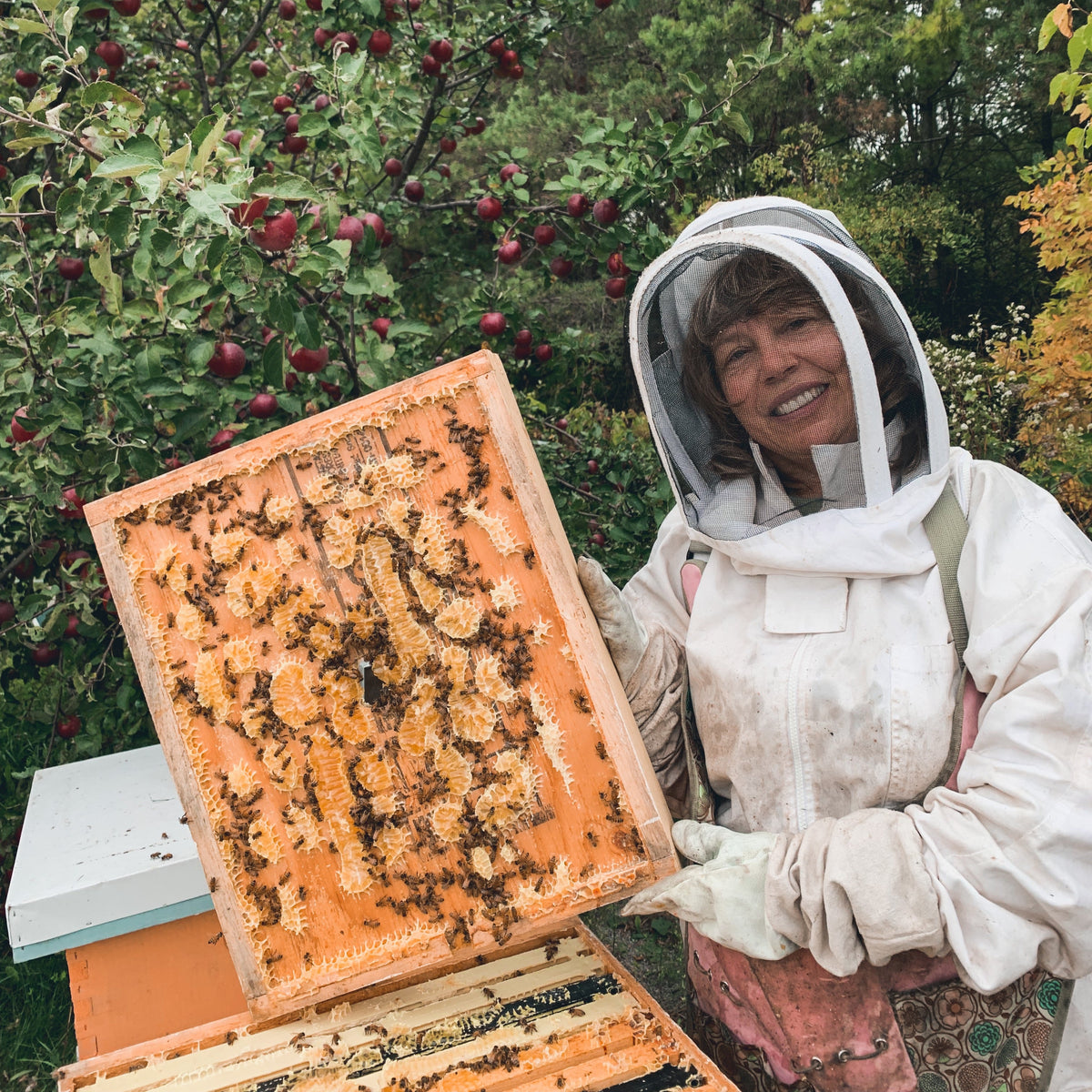
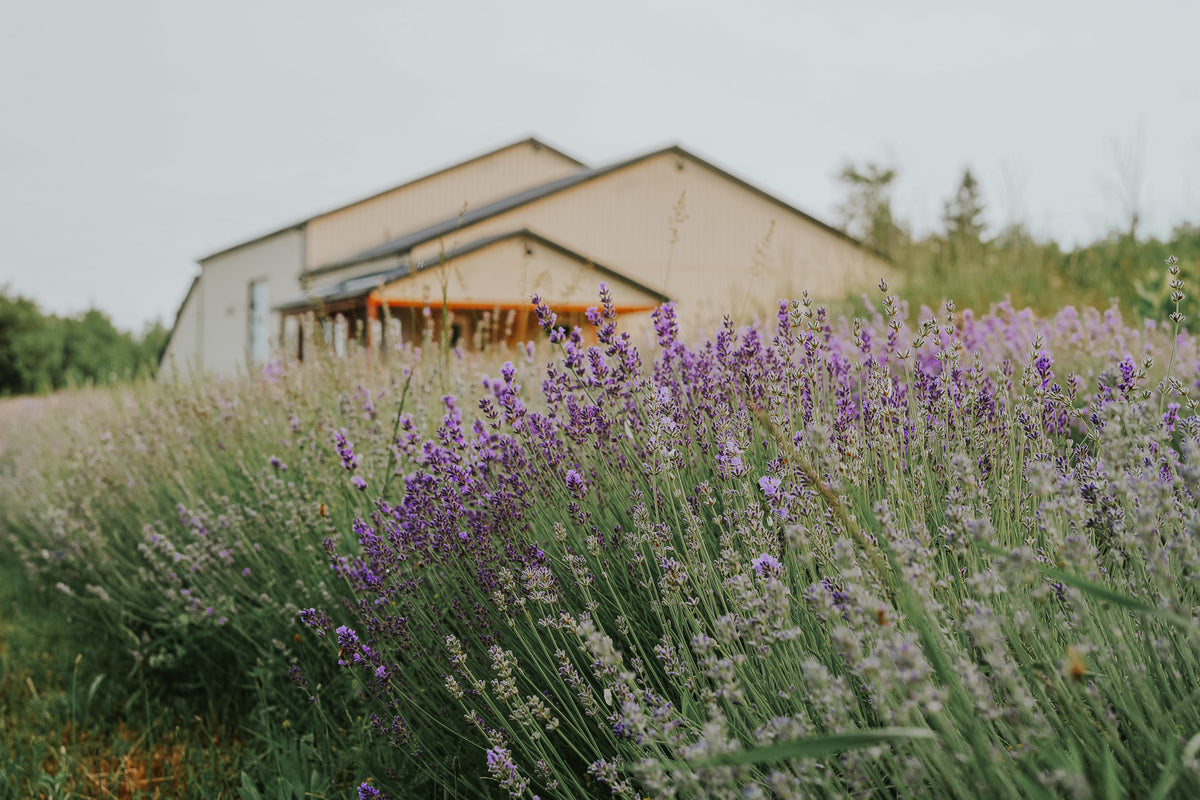
the farm
In 2016 we purchased the Millbrook farm. A 100 acre slice of rolling hills and valleys, this land is very special to us. 65% of our property is under environmental protection as the Oak Ridge Moraine runs through the Southern end of our farm. Not farmed for over 30 years, about 40 acres of fields had be left untended until we took the property over. we have since built a 5500 sq foot education & production facility, and converted over 10 acres of open land into native wildflower meadows and gardens.
our conservation
The Oak Ridge Moraine runs through the southern half of our lands. The Oak Ridge Moraine is an ecologically significant geological landform, named for its rolling hills and river valleys extending 160 km from Niagara to Northumberland. The Moraine spans 65 of our 100 acres and we are proud to preserve its Key Natural Heritage Features (wetlands, woodlands, and wildlife habitats), and Hydrologically Sensitive Areas (springs, and streams). Our land is comprised of 35 acres of both Sugar Maple bush and deciduous plantations.
On our farm we do not spray and minimally till. We rely on practices such as rotational grazing, cover cropping, mulching, frost seeding, seed saving and more to manage our property as naturally and organically as possible. We have restored nearly 10 acres of open field into a lush, native wildflower pollinator habitat in partnership with ALUS Peterborough who generously donated the seed for our project.
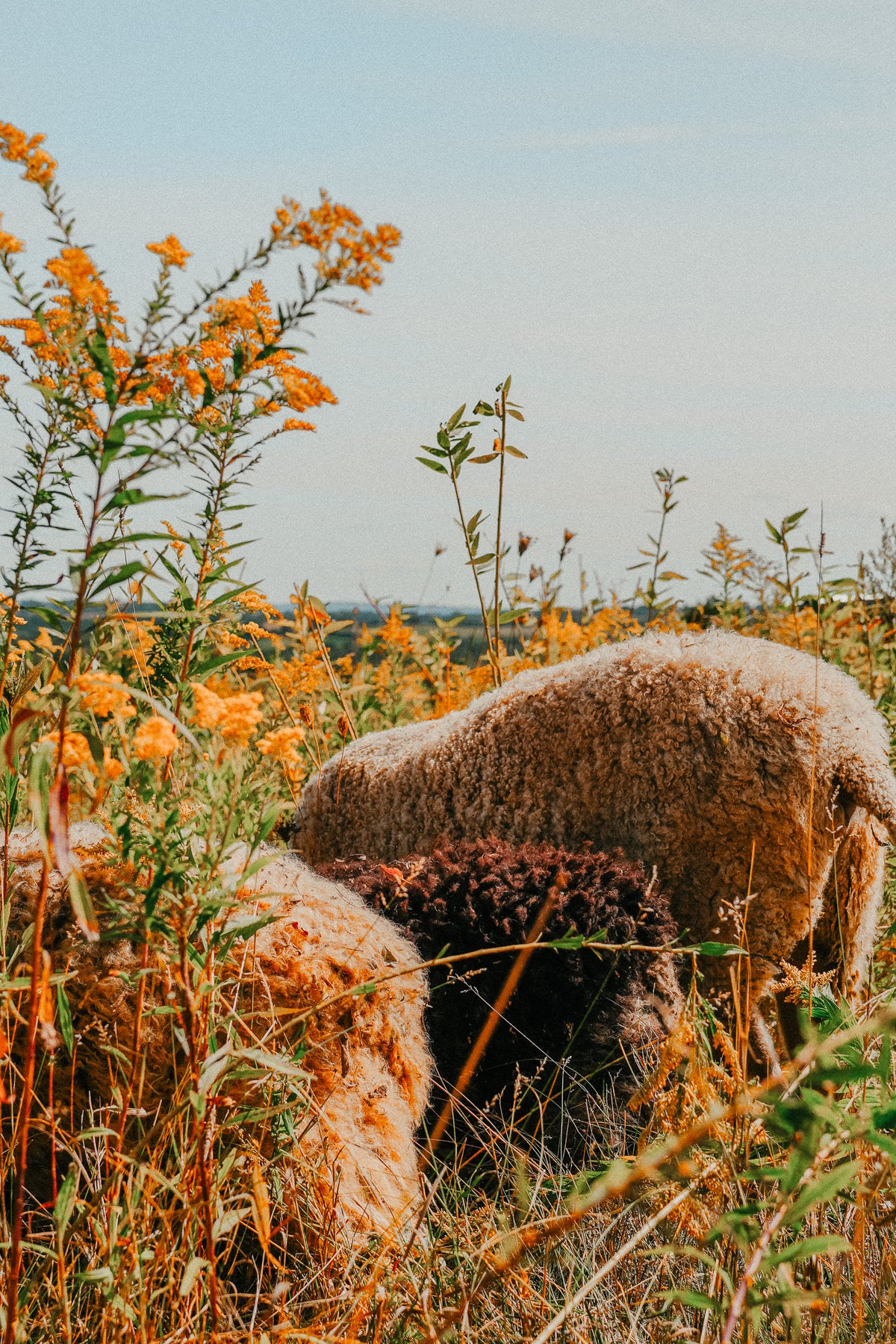
We use grazing animals to manage those fields, to minimize compaction from tractors, to fertilize the soil, and to biodynamically trigger root growth and soil stabilization through their saliva. Long term this will create healthier soil, decrease runoff, flooding and drought impact, improve water retention and carbon capture. All of which downstream, means healthier plants and richer nectar flow for our pollinators.
the flock
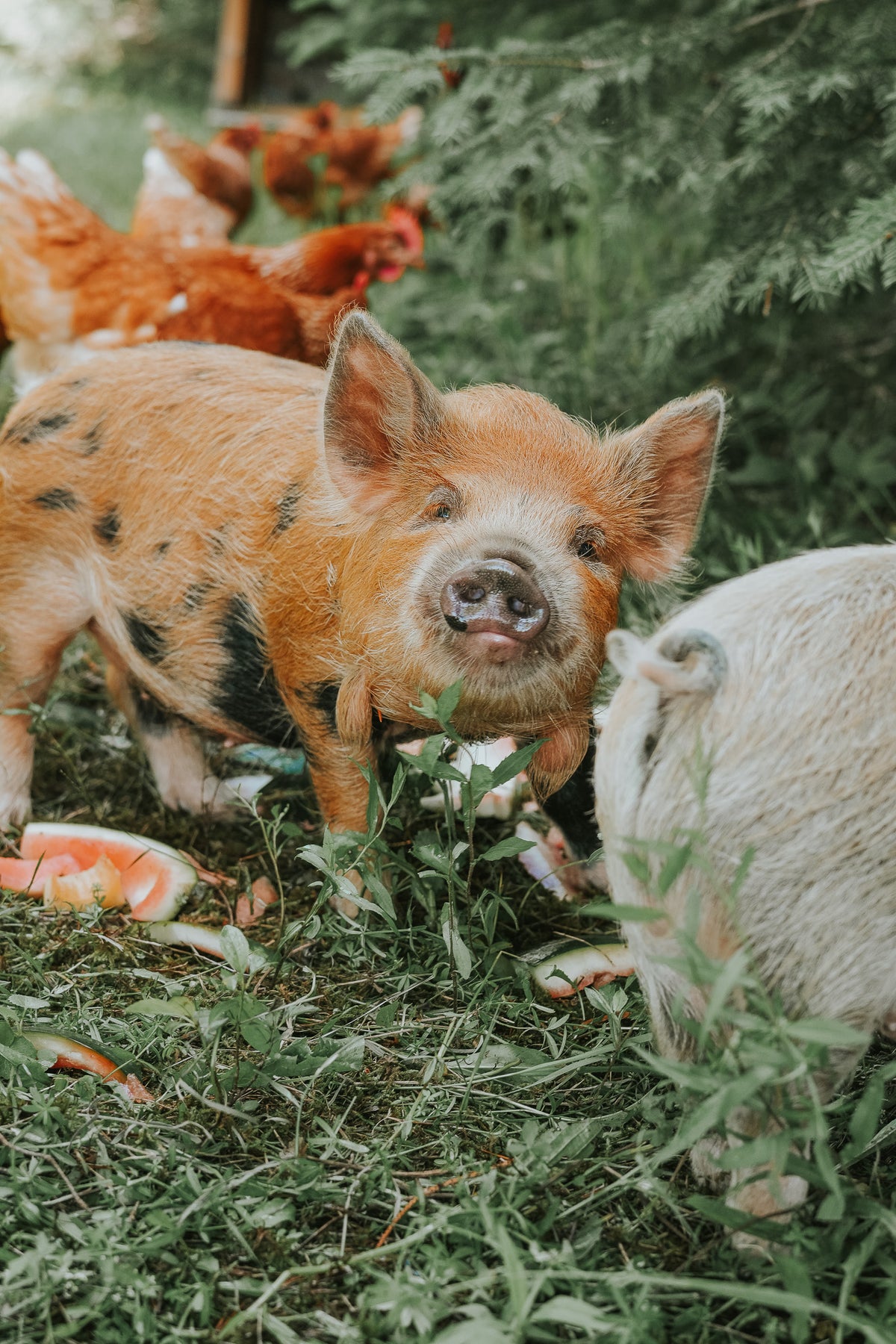
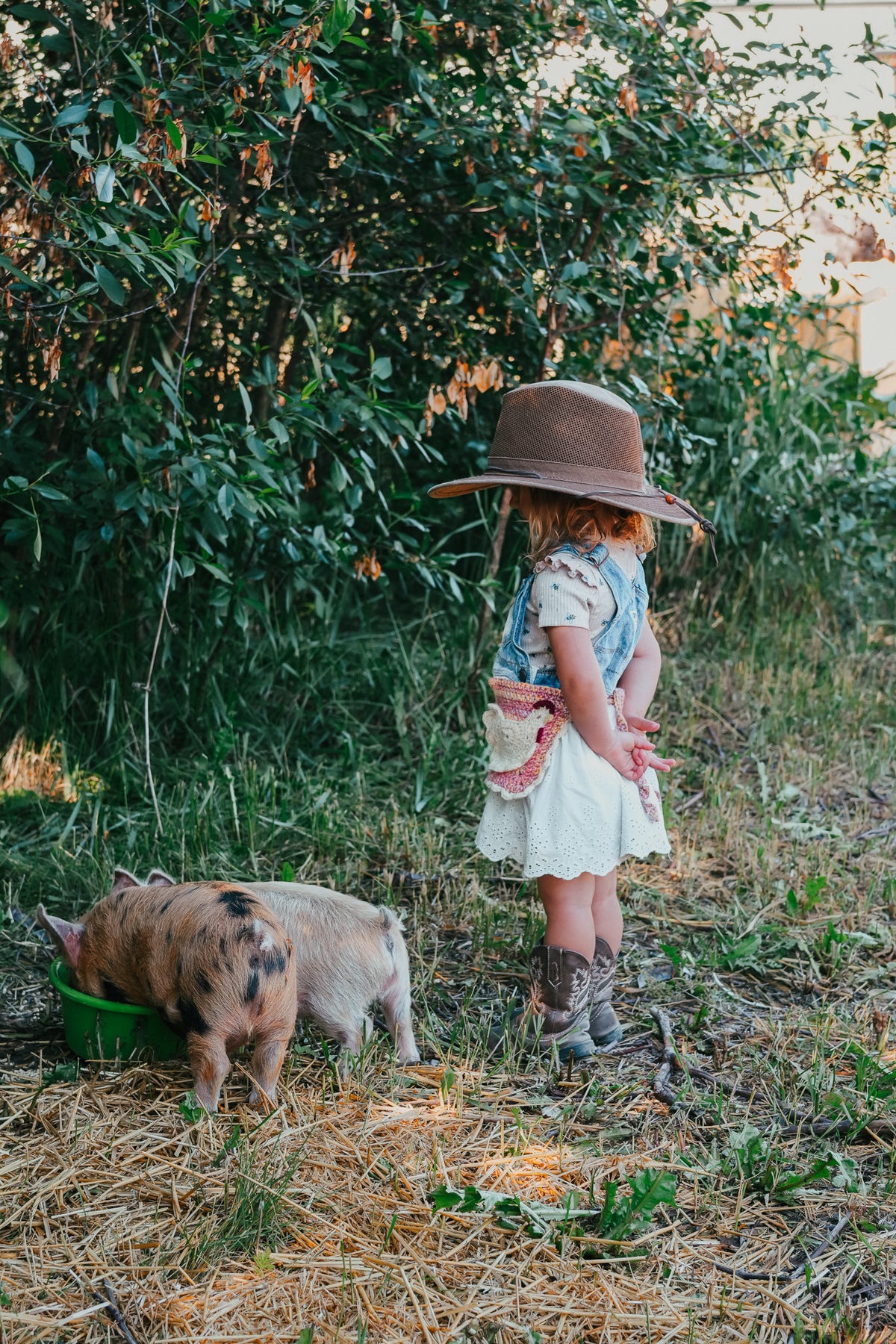
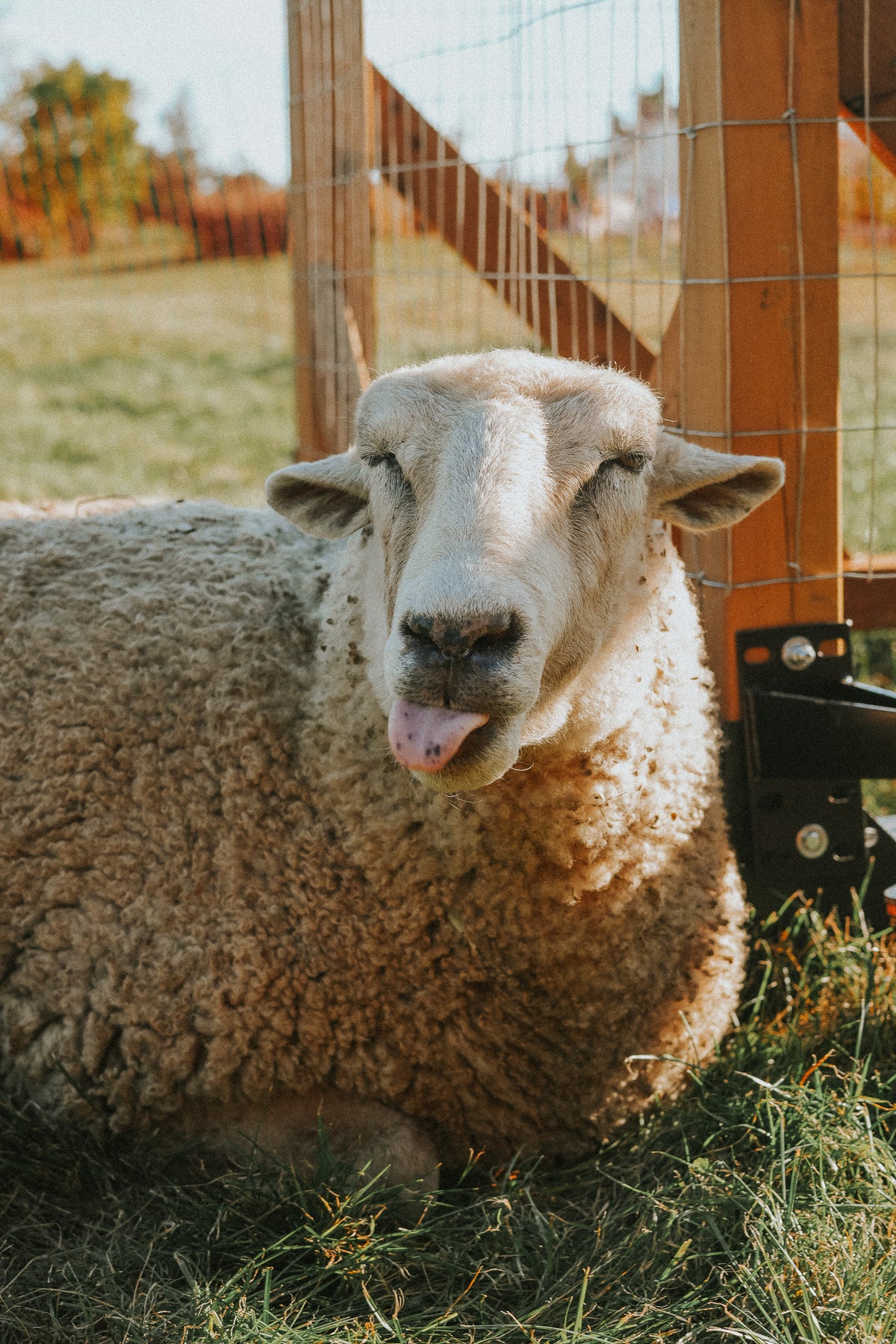
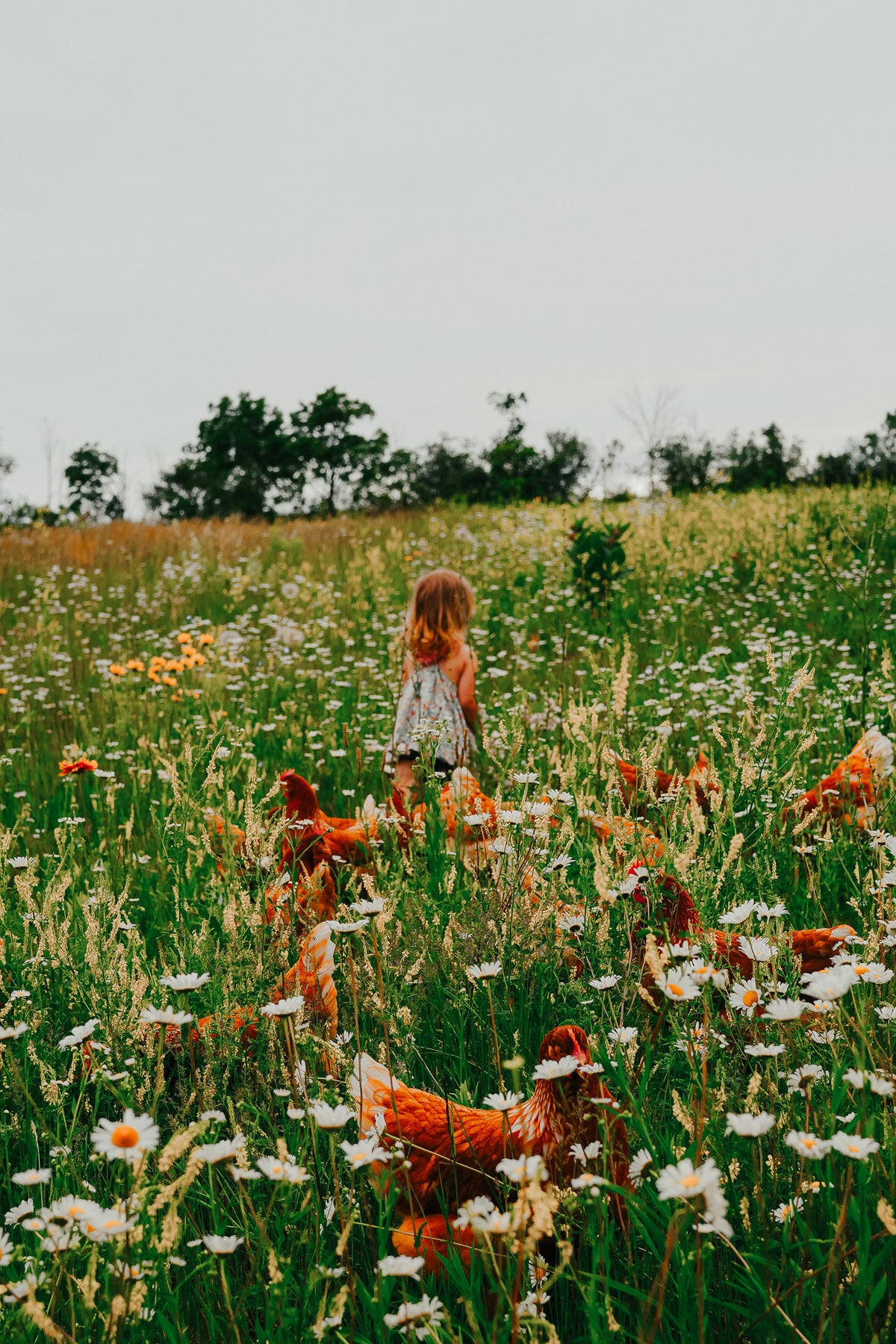
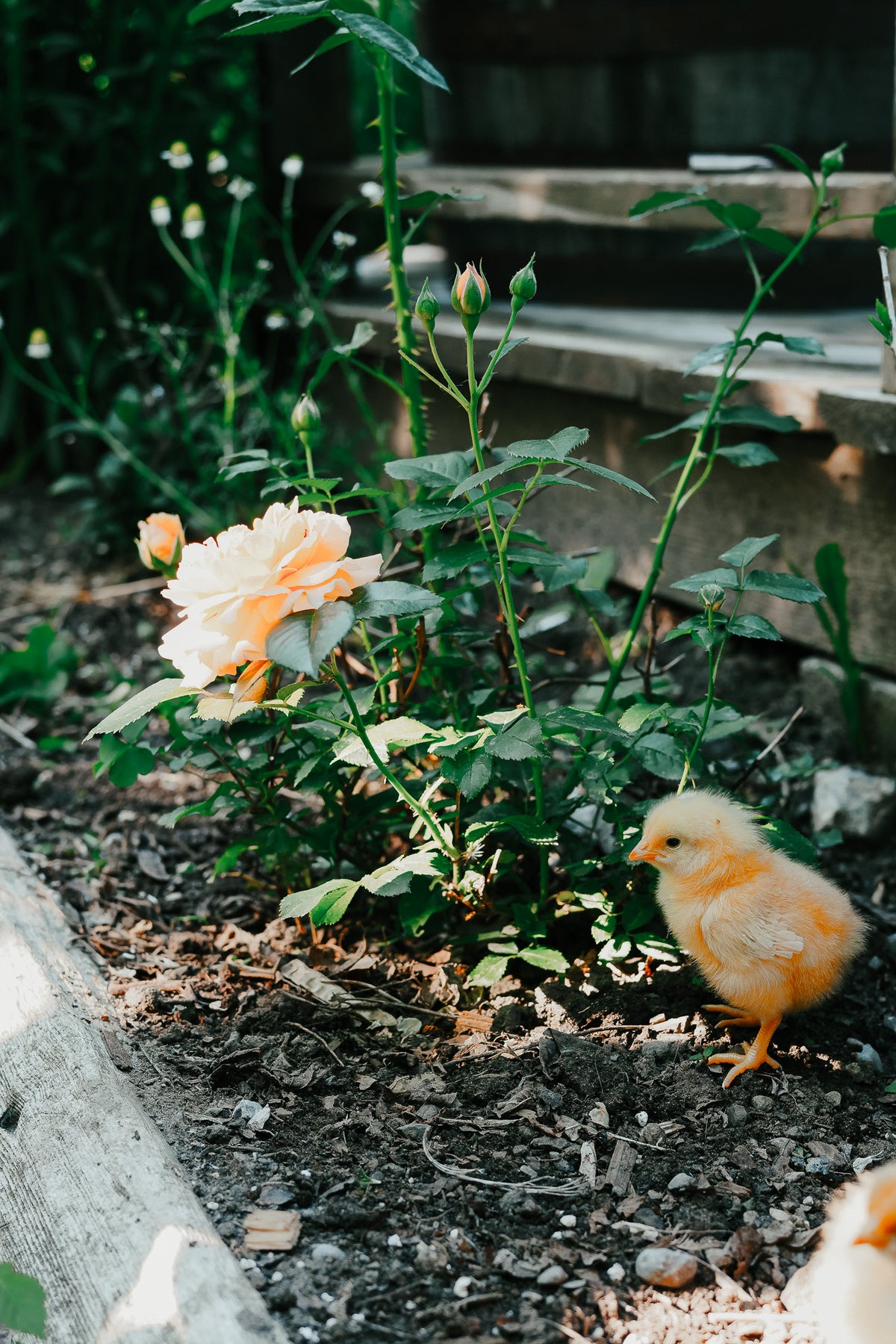
Our flock of sheep, chickens, pigs and ducks help us manage our pollinator meadows organically.